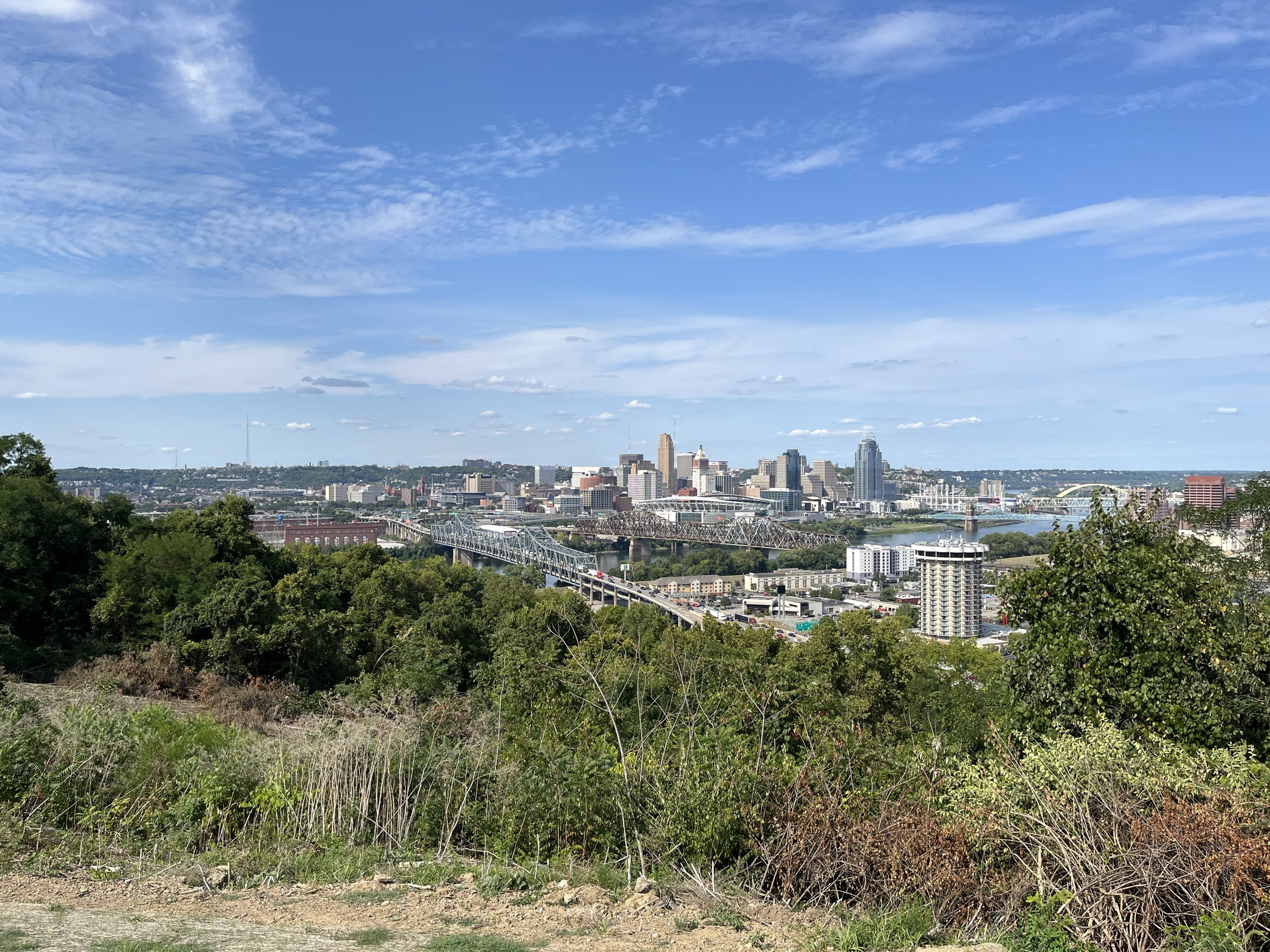
 Cincinnati skyline and the Ohio River
Cincinnati's Urban Neighborhoods: OTR, Downtown, Mt. Adams, and More
From the CincinnatiRelo team, who built this site specifically for people relocating to Greater Cincinnati.
July 2026 · 8 min read
Most Cincinnati relocation advice funnels you straight to the suburbs. But if you are moving from a walkable city, or you simply want restaurants and a skyline within reach on foot, Cincinnati's urban core is one of the best-kept secrets in the Midwest: historic architecture at a density most Midwest cities lost decades ago, at prices that would be a rounding error on the coasts.
Here is the honest tour, with 2024 Census ACS figures compiled for this site's Neighborhood Guides.
Over-the-Rhine: the showpiece
Over-the-Rhine is one of the largest intact historic districts in the country, a grid of Italianate buildings that has become the city's restaurant and nightlife engine. It is also visibly growing: population up 11.9% since 2020 (ACS vs. Decennial baseline), the fastest growth of any neighborhood in this site's data set.
The numbers: ACS median home value about $396,400, median gross rent about $1,151, and a roughly 4-minute free-flow drive to Fountain Square, though the real point is you can walk. Owner-occupancy sits at 30%, typical of a renter-heavy urban core.
The trade-offs: it is a dense, live urban district, with everything that means for noise and parking, and block-to-block character varies more than in a suburb. Visit at night as well as brunch time.
Downtown / The Banks: center of everything
Living downtown puts the stadiums, the riverfront parks, and the office towers at your doorstep. The Banks, the riverfront district between the stadiums, anchors the residential scene. Population in the core is up 6.0% since 2020, and the resident profile skews professional: ACS median household income about $86,200.
The numbers: ACS median home value about $399,000, median gross rent about $1,709, the highest rent figure in the city's core, which tracks with newer buildings and river views. CVG airport is about 22 free-flow minutes away, the shortest airport run of any Ohio-side neighborhood in this data set, worth noting for frequent flyers.
The trade-offs: you are trading square footage and yard for location, and groceries and errands are more planned than in a suburb.
Mt. Adams: the hillside village
Mt. Adams is the postcard: a hilltop village overlooking downtown and the river, next to Eden Park and its museums. It is small (about 1,600 residents) and priced like the view: ACS median home value about $702,300, the highest in this site's data set, with median household income about $114,000. Downtown is about 6 minutes away.
The trade-offs: tiny inventory, steep streets, and premium pricing. When something good lists here, it moves.
Walnut Hills / East Walnut Hills: the value play
Walnut Hills and East Walnut Hills sit just northeast of downtown with grand old housing stock and a growing strip of restaurants and bars. This is the urban core's value play: ACS median home value about $282,900 and median gross rent about $969, the most accessible combination this close to downtown (about 7.5 free-flow minutes), on the Ohio side.
The trade-offs: revitalization is uneven, so due diligence is block-by-block. That is also exactly why the entry price looks the way it does.
Clifton: the university quarter
Clifton wraps around the University of Cincinnati, which gives it a college-town energy, big Victorian houses, and the cheapest median rent in this data set at about $944. Median home value is a surprising $437,800, a reflection of the large historic homes that dominate the owner-occupied stock. Downtown is about 11 minutes; the hospital cluster and Cincinnati Children's are close, which makes Clifton a natural landing spot for medical and university relocations.
The trade-offs: student-adjacent living, with the rhythms that implies, and a housing stock where charm and maintenance arrive together.
The schools caveat, stated plainly
All five of these neighborhoods are served by Cincinnati Public Schools, rated 2.5 stars on Ohio's 2024-25 Report Card, versus the 4.5 and 5-star suburban districts. Urban families here typically build a specific plan: magnet programs, CPS options like Hughes STEM High School (Ohio STEM-designated since 2009), or private schools. If the default district rating is a dealbreaker, the suburbs win this category; see the School Guide for the full metro picture.
A note on the other side of the river
Covington, directly across the bridge in Kentucky, offers a genuinely urban, walkable alternative at the region's most accessible prices (ACS median home value about $187,300, median rent about $1,006, about 12 minutes to Fountain Square). It is part of the same metro but a different state, with its own taxes and school system, so weigh it as its own option rather than a sixth Cincinnati neighborhood.
Choosing your block
Urban neighborhoods reward on-the-ground research more than suburbs do. Use Compare Neighborhoods to line up the numbers, check your work commute with the Commute Finder, then spend a weekend walking your top two, once in daylight and once at night. The Restaurants Guide and Nightlife Guide double as neighborhood-scouting itineraries.
And if you want someone who knows which blocks are which, that is my job. Start here.
Data notes
All neighborhood figures from US Census ACS 5-year 2024 estimates compiled for this site (values are owner-estimated; multi-tract neighborhoods use population-weighted averages); school ratings from Ohio's 2024-25 Report Card; drive times are free-flow estimates from the 2026 data pull.
Written by
CincinnatiRelo
Tools that pair with this one
Find the block that fits.
Chris knows Cincinnati's urban neighborhoods block by block. Reach out and get an honest read on where your budget and lifestyle actually land.